

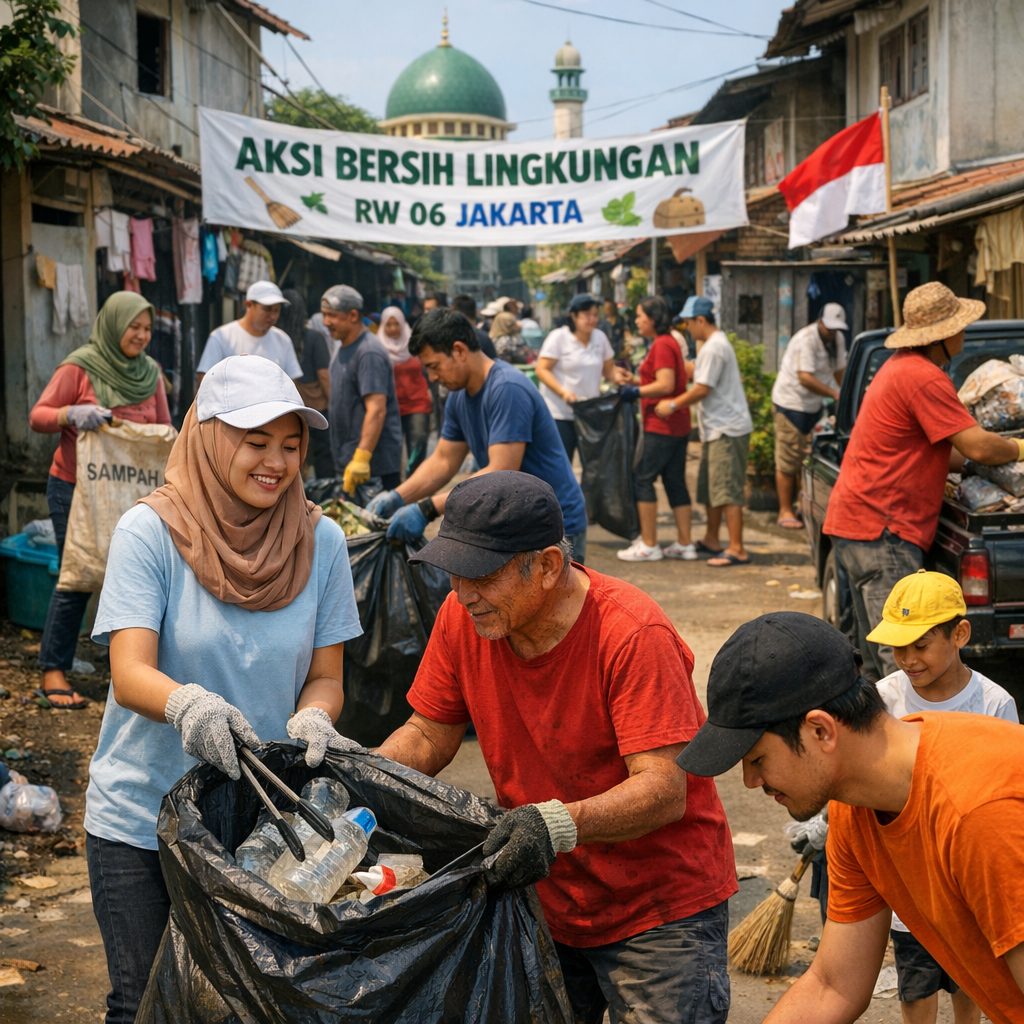
Jakarta, Indonesia’s bustling capital, faces numerous environmental challenges, including air pollution, inadequate sanitation, and waste management issues. In response, local communities have initiated various programs to improve urban sustainability and public health.
Combating Air Pollution
Air pollution remains a significant concern in Jakarta, primarily due to vehicle emissions and industrial activities. To address this, the city has implemented Low Emission Zones (Kawasan Rendah Emisi/KRE) in certain areas. Research indicates that while residents support clean air policies, challenges such as limited access to public transport and green spaces persist. Community participation and effective communication are crucial for the success of these initiatives.
Improving Sanitation
Sanitation is another pressing issue, with many households lacking proper facilities. Reports highlight that approximately 119,528 households in Jakarta do not have septic tanks, leading to waste being discharged directly into drains and rivers. This practice poses significant health risks and environmental degradation. Efforts are underway to provide better sanitation infrastructure and educate residents on proper waste disposal methods.
Addressing Waste Management
Waste management challenges are evident in areas like Bantar Gebang, Marunda, and Pulau Pari, where residents face issues related to waste disposal and environmental degradation. Studies emphasize the need for community-based climate solutions to create safer living spaces and address environmental concerns. Collaborative efforts between local authorities and communities are essential to develop sustainable waste management practices.
Community Engagement
Community involvement is vital in tackling these environmental challenges. Initiatives like the JAKI (Jakarta Kini) application provide residents with access to official information and public services, fostering greater engagement and awareness. By leveraging technology and community participation, Jakarta aims to create a cleaner, healthier, and more sustainable urban environment.