

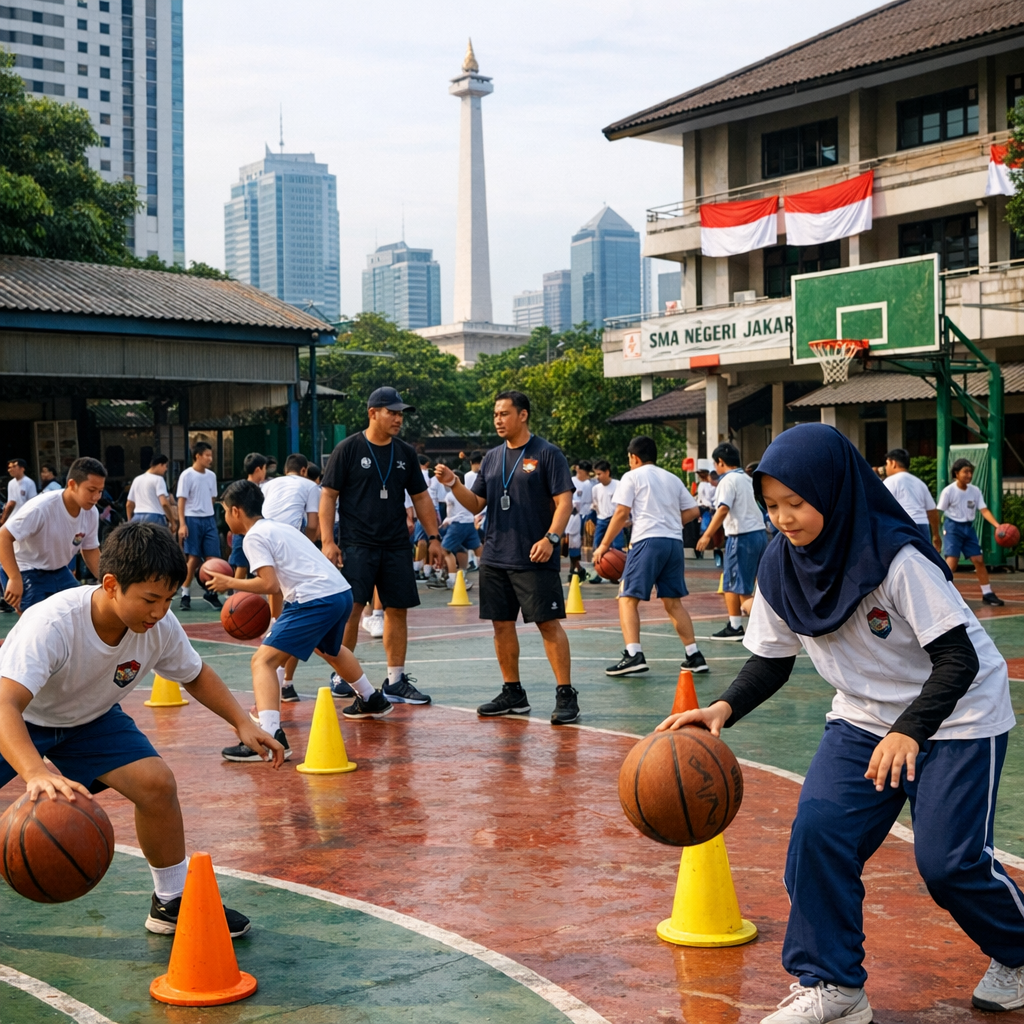
By Rini Susilo — In Jakarta, the sports landscape isn’t just about professional teams or national tournaments. It’s a tapestry woven from school courts, community clubs, and city-run programmes that nurture athletes and bring neighbours together. Here’s a view into how local efforts are shaping Indonesia’s next generation of sports stars.
IOC-Style Youth Development Through POPB DKI Jakarta
One of the strongest infrastructure pieces is POPB (Pembinaan Olahraga Prestasi Berkelanjutan) DKI Jakarta. Run by the Jakarta Youth and Sports Agency (Dispora), the programme scouts young talent and offers them structured, professional training across more than 20 sports, including athletics, swimming, badminton, and basketball. Practice is systematic, facilities strive to meet international standards, and coaches are certified—making POPB a key bridge between school sports and the national level.
Clubs and Academies: From Community Roots to Competitive Fields
Across Jakarta’s districts, football academies and clubs provide accessible training for youth. In Jakarta Barat alone, dozens of clubs and SSBs (Sekolah Sepak Bola) like Golden Junior FC, Singa Kedoya, and Palapa Mavericks serve hundreds of players, many of them school-aged. These academies are where many players get their first exposure to organized competition. It’s not just about winning—it’s also about fostering discipline, teamwork, and aspiration.
Community Courts and Social Sports Cultures
Beyond clubs, sports are thriving in communal spaces. Basket-lover groups such as iMasyour League in East Jakarta meet regularly for training, friendly matches, and sparring sessions, opening doors for non-elite players to improve together. Also, social clubs and venues for growing sports—like padel—have begun to double in popularity, becoming places where fitness, friendship, and sport converge rather than rigid competition.
National Team Moments: Fuel for Local Ambition
The Indonesian national football team recently drew 1-1 away with Singapore in the AFF Cup and earlier lost to Vietnam at home, but also picked up convincing wins against East Timor and Cambodia—results that matter not just for fans, but for youngsters watching from school halls and football pitches, imagining themselves on that field one day. Seeing national team players compete galvanizes local support and pushes academy coaches to aim higher with their trainees.
Challenges and Opportunities
Despite the optimism, challenges remain:
- Uneven access to quality facilities—some neighbourhoods still lack safe courts or well-kept fields.
- Cost and resources—club fees, travel, and coaching can limit who participates.
- Balancing fun and competition—finding a culture that supports both is tricky.
Opportunities lie in expanding public sports spaces, integrating sports into school curriculums more deeply, and promoting community sports events that are welcoming to all skill levels.
Where You Can Get Involved
If you’re looking to support or participate:
- Check POPB DKI Jakarta for tryouts or training opportunities if your child is interested in competitive development.
- Look into local SSBs and football clubs in your district—many accept newcomers at young ages and offer mentoring.
- Join or attend community leagues like those organized by iMasyour League, or participate in social sports clubs which often hold open-to-public sessions.
- Keep an eye on public sports facilities being built or revitalized by the city—these spaces tend to host free or low-cost activities.
Jakarta’s strength in sports won’t come only when a national team wins trophies—it grows every time a teenager shoots hoops in their backyard, every time a community field is cleaned up, every time parents pack young athletes for training. These everyday moments power the future.