

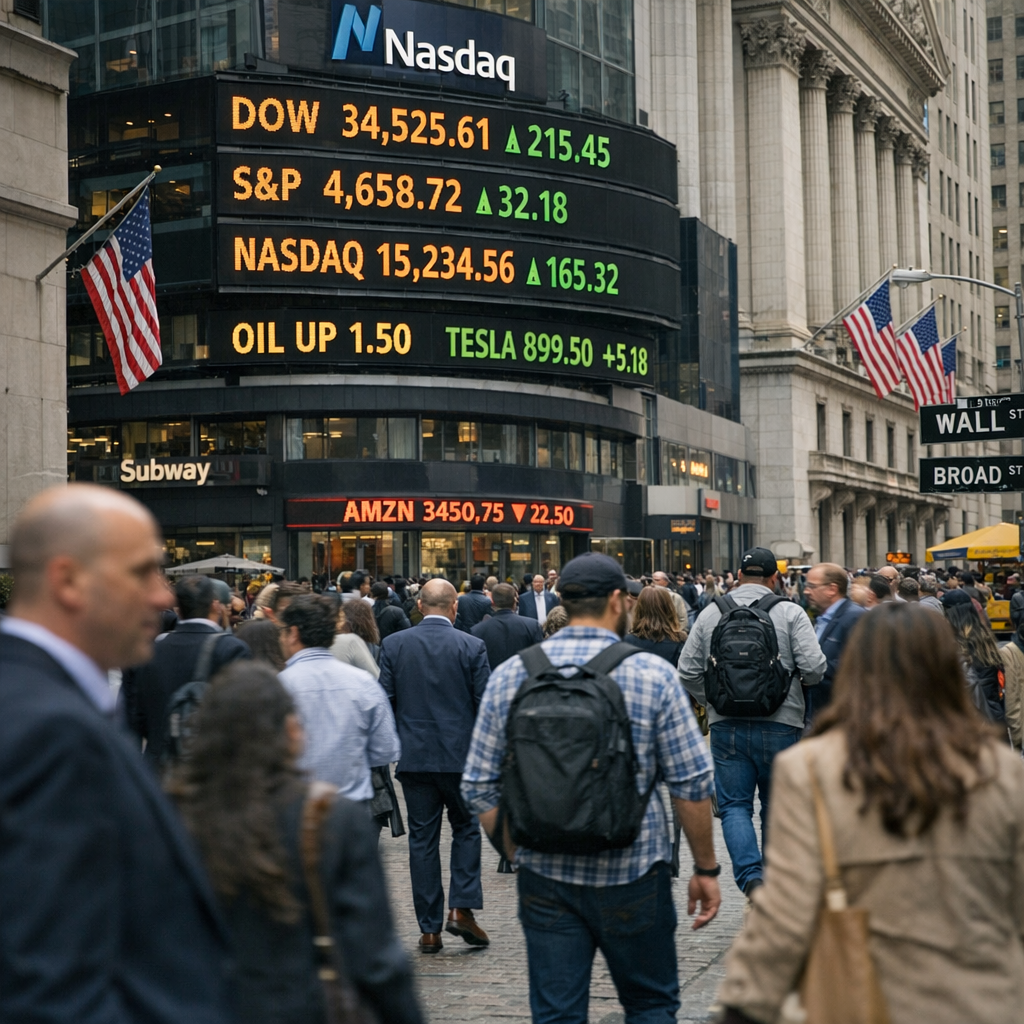
The United States economy has demonstrated resilience in recent times, with several indicators pointing towards sustained growth. However, underlying challenges remain that could impact future stability.
Economic Growth and Employment
Recent data indicates that the U.S. gross domestic product (GDP) has been on an upward trajectory, reflecting robust economic activity. The International Monetary Fund (IMF) projects a growth rate of 2.4% for the U.S. economy in the fourth quarter of 2026, up from 2.2% the previous year. This growth is accompanied by a decline in unemployment rates, with projections suggesting a drop from 4.5% in late 2025 to 4.1% in 2026. Such trends suggest a strengthening labor market and increased consumer confidence.
Inflation and Monetary Policy
Inflation remains a focal point for policymakers. The IMF anticipates that inflation will align with the Federal Reserve’s target of 2% by 2027. In response to these economic conditions, the Federal Reserve has adjusted its benchmark interest rate, currently standing at 3.6%, with potential reductions to around 3.4% if the job market remains stable. These measures aim to balance economic growth with price stability.
Trade Policies and Global Relations
Trade policies continue to influence the U.S. economic landscape. The administration’s approach to tariffs and international trade agreements has had mixed effects on various sectors. While some industries benefit from protective measures, others face challenges due to retaliatory actions from trade partners. The ongoing discourse on trade emphasizes the need for strategies that promote domestic industries while maintaining healthy international relations.
Fiscal Health and Debt Concerns
Despite positive growth indicators, concerns about the nation’s fiscal health persist. The IMF has highlighted that increasing federal budget deficits pose a growing stability risk. Managing national debt and ensuring sustainable fiscal policies are crucial to maintaining long-term economic stability.
Conclusion
In summary, the U.S. economy exhibits signs of strength, characterized by growth and declining unemployment. However, vigilance is required to address challenges related to inflation, trade policies, and fiscal health to ensure continued prosperity.